Orthopaedic medicine is a practical, non-surgical approach to diagnosing and treating complaints of the back, joints, and musculoskeletal system.
Helping patients who fall through the cracks
Many patients with persistent or severe musculoskeletal pain often find themselves in a difficult position: their symptoms are too severe or long-lasting for physiotherapy or general medical care, but not severe enough to justify surgery.
An accurate diagnosis is central to orthopaedic medicine. We base our diagnosis on:
A detailed discussion of the symptoms.
A comprehensive physical examination focused on functional anatomy and movement.
Ultrasound movement analysis, if necessary, to support the clinical diagnosis.
With this ‘eyes, ears, and hands’ method, we can detect even subtle problems, often without visible or palpable abnormalities. Imaging tools such as ultrasound or MRI are only used to confirm what we have already established clinically.
Specialised Hernia
Treatments
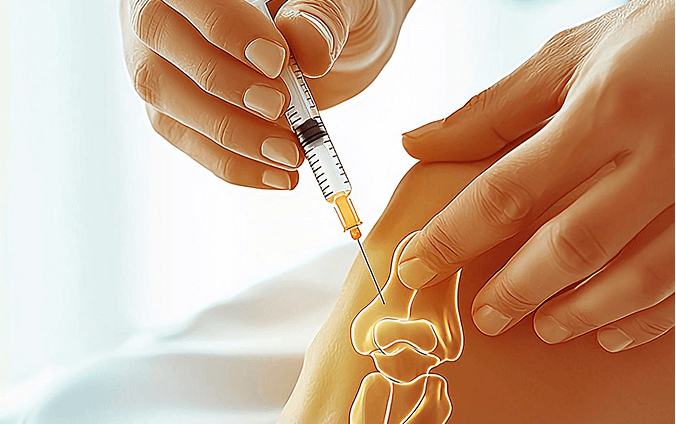
We specialise in the non-surgical, evidence-based treatment of musculoskeletal pain. Our treatments include the most modern forms of injection therapy, manual therapy, and medication.
Our Specialised
Hernia Treatment Protocol
We follow a unique, evidence-based protocol designed to reduce pain by addressing inflammation in the affected nerve and relieving compression as effectively as possible. By combining chemical and mechanical treatments, we have achieved excellent results in helping patients recover faster and with more comfort.
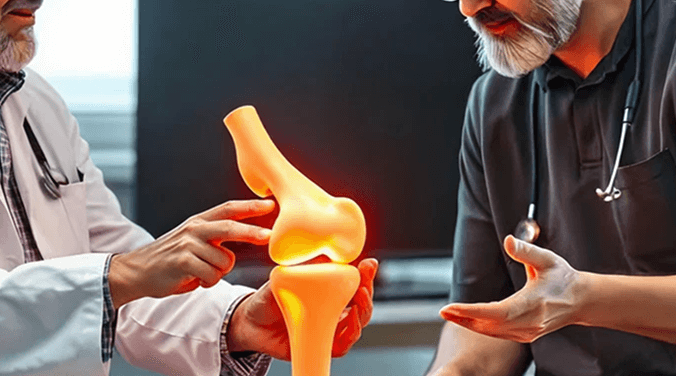
Targeted Anti-
inflammatory Treatment
Our approach focuses on the local administration of anti-inflammatory medication via corticosteroid injections. This method ensures that a higher concentration is delivered directly to the source of the pain, while significantly reducing the risk of systemic side effects.
Ozone Gas
Injection Therapy
Ozone therapy has been extensively researched in Germany and Italy and is recognised as a safe and effective treatment for nerve irritation and inflammation. During this procedure, ozone gas is injected near the nerve root, allowing it to spread around the trapped nerve and the hernia causing the compression.
Spinal Decompression
Therapy
In the past, bed rest was recommended because lying flat reduced pressure on the hernia. Today, we can achieve this effect more effectively using a spinal decompression table. With controlled traction, we gently stretch the spine to relieve pressure on the intervertebral discs and even create a slight negative pressure within the disc. This can reduce the bulge and allow fluid to return to the disc, relieving symptoms and supporting the healing process.

Meet our specialists
With our specialised approach to orthopaedic medicine and manual therapy, we can help you with various pain complaints.